
| STEP OUTSIDE: 1st STEP – WHY GO OUTDOORS Discover your own reasons for regular outdoor learning, and gain research-backed resources and arguments that you can use to support your approach. 2nd STEP – OUTDOOR GEAR Create a list with your students of things you can make or gather for free outdoors, along with what’s worth buying (and it won’t be much). 3rd STEP – WHERE TO TEACH Map out, together with your students, all the places around you that can serve as interactive classrooms and explore different ways to use them. 4th STEP – WHAT AND HOW TO TEACH OUTDOORS Lacking inspiration on what to teach outside?Here, you’ll discover and immediately try out ideas. You’ll have access to our most popular lessons ready to take outdoor. 5th STEP – INQUIRY-BASED SCIENCE EDUCATION (IBSE) OUTDOORS Learn how to apply the IBSE method in outdoor settings to encourage curiosity, critical thinking, and hands-on discovery. 6th STEP – OUTDOORS ALL YEAR ROUND Push your boundaries and learn how to use different weather and seasons to teach with your students. 7th STEP – ASSESSING OUTDOOR LEARNING When should you focus on outcomes, processes, or group dynamics during outdoor lessons? How can you involve students in the evaluation process? 8th STEP – PLAYING OUTDOORS How to handle playtime, breaks, and outdoor after-school activities? Why just being outside and giving kids the initiative and responsibility matters? Enjoy even more relaxation, creativity, and play outside. 9th STEP – WELL-BEING OUTDOORS Experience your own “natural spa.” Discover ways to boost the well-being of both you and your students through nature, making your teaching more effective and enjoyable. |
Target audience
Teachers and school staff at pre-primary- primary-lower secondary school
Tuition
25 hours
Objectives
The main objectives of this course are to:
- Understand the benefits of outdoor learning for both students and teachers, focusing on cognitive, emotional, and physical development.
- Identify and overcome barriers to implementing outdoor lessons.
- Learn how to effectively prepare and use outdoor spaces for teaching various subjects.
- Gain practical experience with outdoor activities, games, and experiments that can be immediately applied in the classroom.
- Explore the use of the IBSE (Inquiry-Based Science Education) method in outdoor settings to foster curiosity and scientific thinking.
- Discover how nature can enhance both students’ and teachers’ well-being, improving focus, reducing stress, and boosting overall learning outcomes.
- Inspire participants to integrate outdoor learning into their curriculum year-round for a more balanced and fulfilling teaching experience.
Methodology
- Theoretical Foundation: The seminar begins with a brief but comprehensive introduction grounded in scientific research. Participants will learn about the positive effects of outdoor learning on children’s cognitive and emotional development. Studies highlighting the impact of nature on reducing stress, enhancing concentration, and improving well-being will be discussed. This theoretical base will guide the practical applications throughout the seminar.
- Research-Based Insights into Play and Movement: We will integrate evidence on the importance of play and physical activity for healthy child development. Through brief presentations, participants will understand how movement and unstructured outdoor play foster creativity, problem-solving, and social skills. These insights will set the stage for the following practical activities.
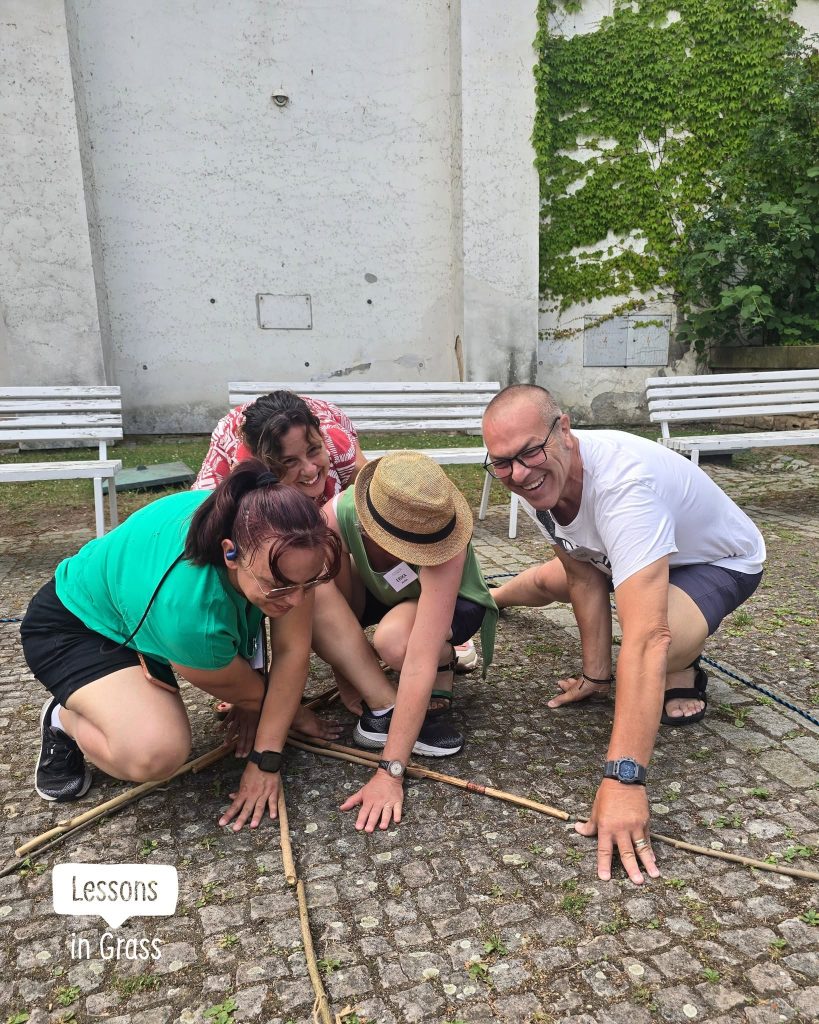
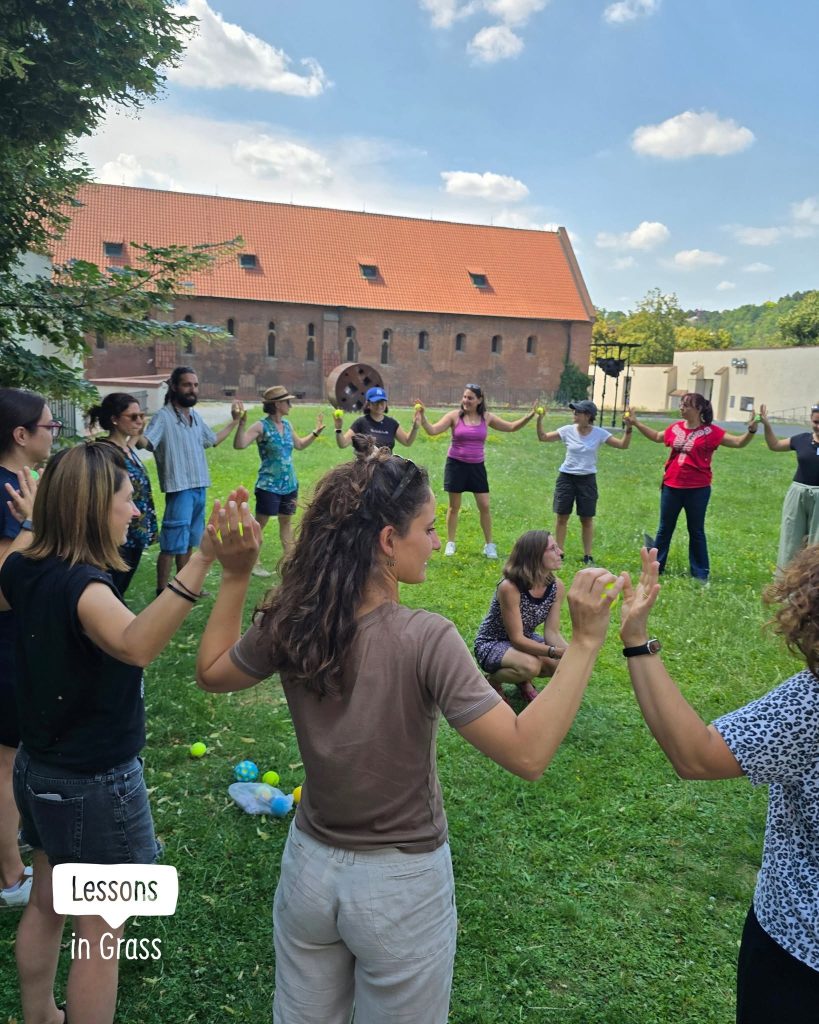
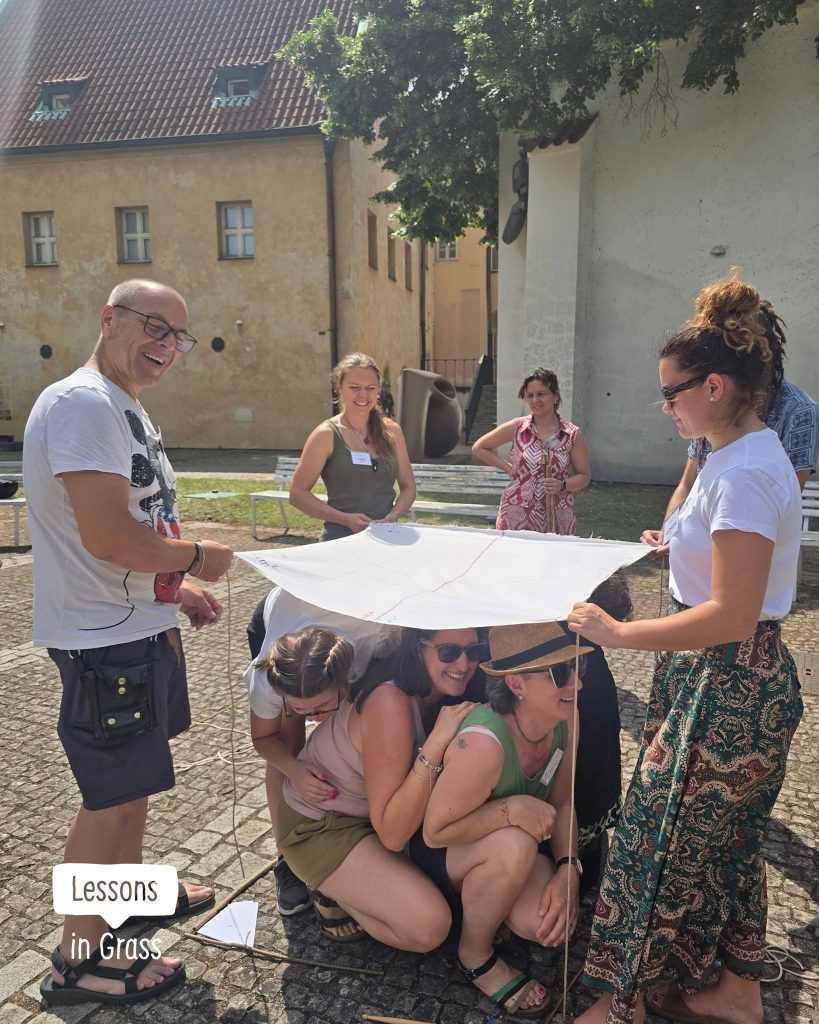
- Experiential Learning: Hands-on, outdoor activities will be the core of the seminar. Participants will actively engage in games, exploratory exercises, and experiments that can be directly applied in their teaching in various subjects (Science, Math, Languages, Art, History). This approach ensures they experience the benefits of outdoor learning firsthand.
- Collaborative Problem-Solving: Using group discussions and brainstorming sessions, participants will identify the barriers to outdoor learning in their own contexts. Through guided facilitation, they will collaboratively explore creative solutions, making the seminar tailored to their needs.
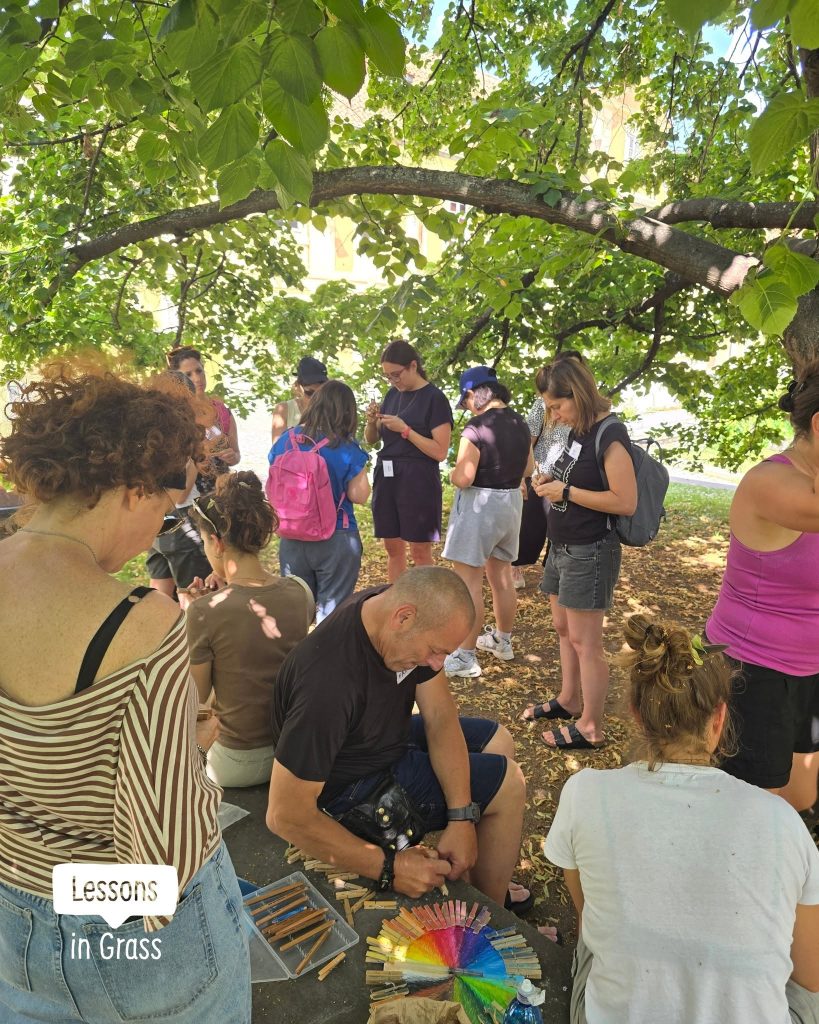
- Practical Application and Resource Insights: Participants will focus on essential tools for outdoor teaching, with a demonstration of useful materials. We will provide tips on how students can create their own tools from recycled materials, ensuring outdoor lessons are resource-efficient and accessible.
- Peer Learning and Reflection: Throughout the seminar, space will be provided for participants to reflect on their learning, ask questions, and share ideas. Open discussions and peer-to-peer feedback will encourage mutual inspiration and support.
- Outdoor Learning with the IBSE Method: Participants will explore how to apply the IBSE (Inquiry-Based Science Education) method outdoors, fostering curiosity and encouraging students to engage in scientific exploration through direct interaction with their natural environment. This will be practiced through inquiry-based tasks.
- Well-being Focus for Students and Teachers: Explore how nature can not only support students’ well-being but also help teachers manage stress and enhance their personal sense of satisfaction.
Content
The Benefits of Outdoor Learning:
- What outdoor learning brings to students and teachers.
- The impact of nature on cognitive development, emotional well-being, and creativity.
Overcoming Barriers to Outdoor Learning:
- Identifying common barriers (e.g., time, resources, weather) and exploring practical solutions.
- Developing strategies to make outdoor learning accessible and sustainable.
What You Need (and Don’t Need) for Outdoor Learning:ì
- What’s necessary and what’s not for outdoor learning.
- DIY tips on tools and resources made from natural and recycled materials with students— let’s make learning more practical, creative and sustainable.
Outdoor Activities, Games, and Resources:
- A showcase of tried-and-tested outdoor games, lesson plans, worksheets, and other inspiration.
- Subject-specific lessons (Math, Languages, Science, Art and History) and how to take them outside.
Inquiry-Based Science Education (IBSE) Outdoors:
- How to use the IBSE method outdoors to spark curiosity and scientific discovery.
- Students will engage in experiments and hands-on activities to explore natural phenomena, ask questions, and draw their own conclusions.
Enhancing Well-being Through Nature for Students and Teachers:
- Discover strategies to improve both children’s and teachers’ well-being through time spent outdoors.
- How outdoor activities can help reduce stress, increase focus, and support mental health for students, while also offering teachers a way to recharge and find balance in their busy schedules.
Creating a Year-Round Outdoor Learning Plan:
- How to integrate outdoor lessons throughout the entire school year.
- Connecting curriculum goals with outdoor learning experiences.
Outdoor Play and Learning:
- The importance of play in nature and its role in child development.
- Tailoring outdoor activities to children’s different ages, interests, experiences and personality types.
Exploring the Outdoor Laboratory:
- Engage in hands-on scientific discovery through outdoor experiments and models.
- Learn how to turn any outdoor space into a laboratory for exploration and learning.
Participants
Minimum number: 15 – Max number: 20
Language
English
Dates
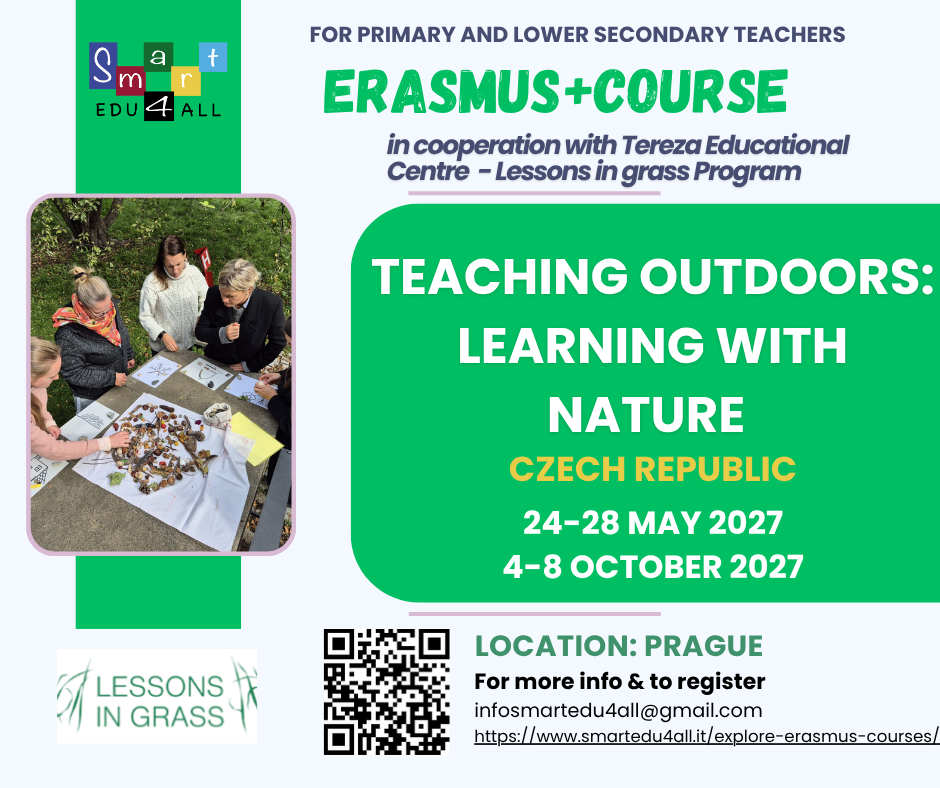
24-28 May 2027 Prague
4-8 October 2027 Prague
The course is run by Lessons in Grass, part of the National Outdoor Network
Location: Prague – TEREZA, Vzdělávací centrum,, z.ú. Haštalská 756/17, 110 00 Staré Město, – PRAGUE – Czech Republic
Provider: TEREZA, vzdělávací centrum, z.ú.– OID E10249703 for the Erasmus Beneficiary Module
Cost
490 € per participant – special discount applied to applications through our Association
including: tuition fee, learning materials, organizational costs, certificate of attendance
DOWNLOAD THE FULL PROGRAM HERE
Direct link to Lessons in Grass course webpage: https://lessonsingrass.com/course-teaching-outdoors/
The course finishes at 13:00 on Friday so to allow participants to return or cultural visit.
Info and registration
Link to application form: https://forms.gle/wfDuZEpjqPoijAj99
For more info write to: infosmartedu4all@gmail.com
IN COOPERATION WITH THE ASSOCIATION in PRAGUE: LESSONS IN GRASS/TEREZA : https://lessonsingrass.com/
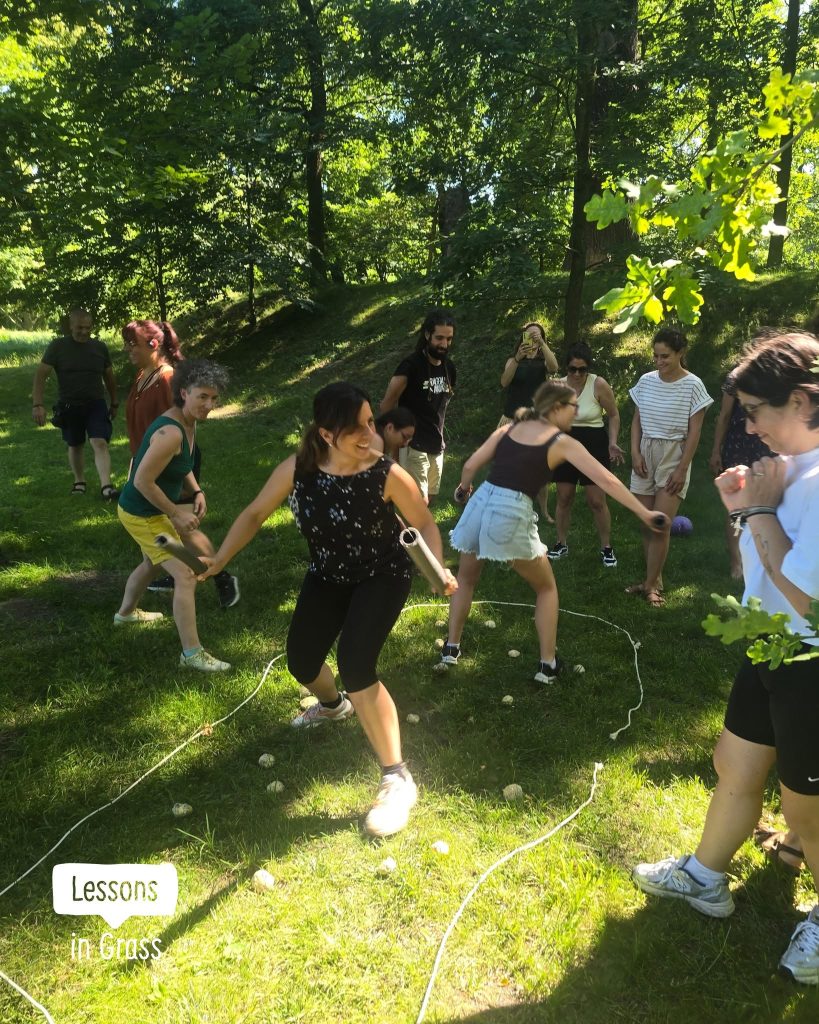
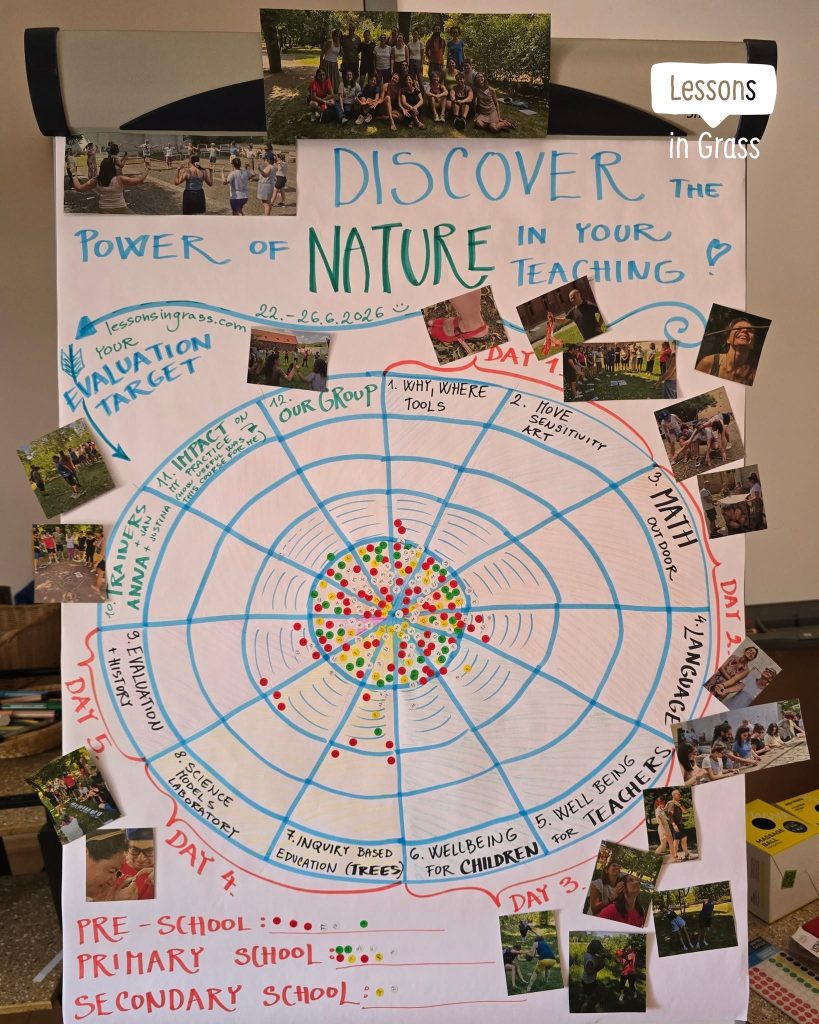
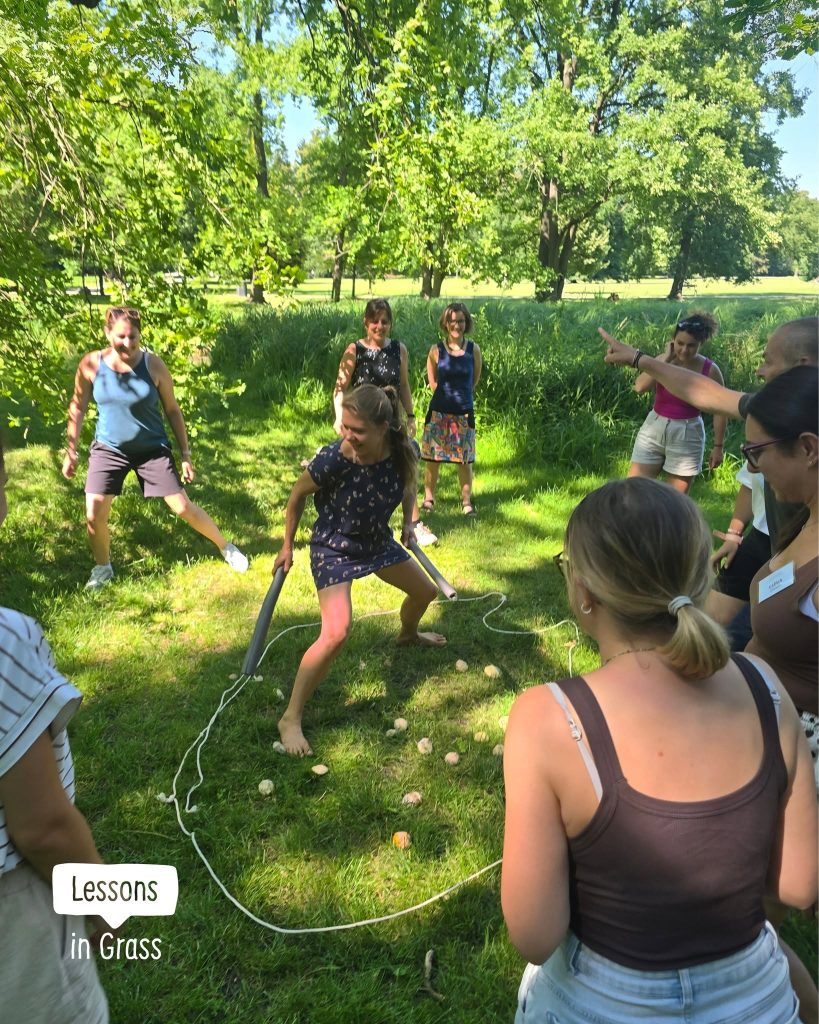
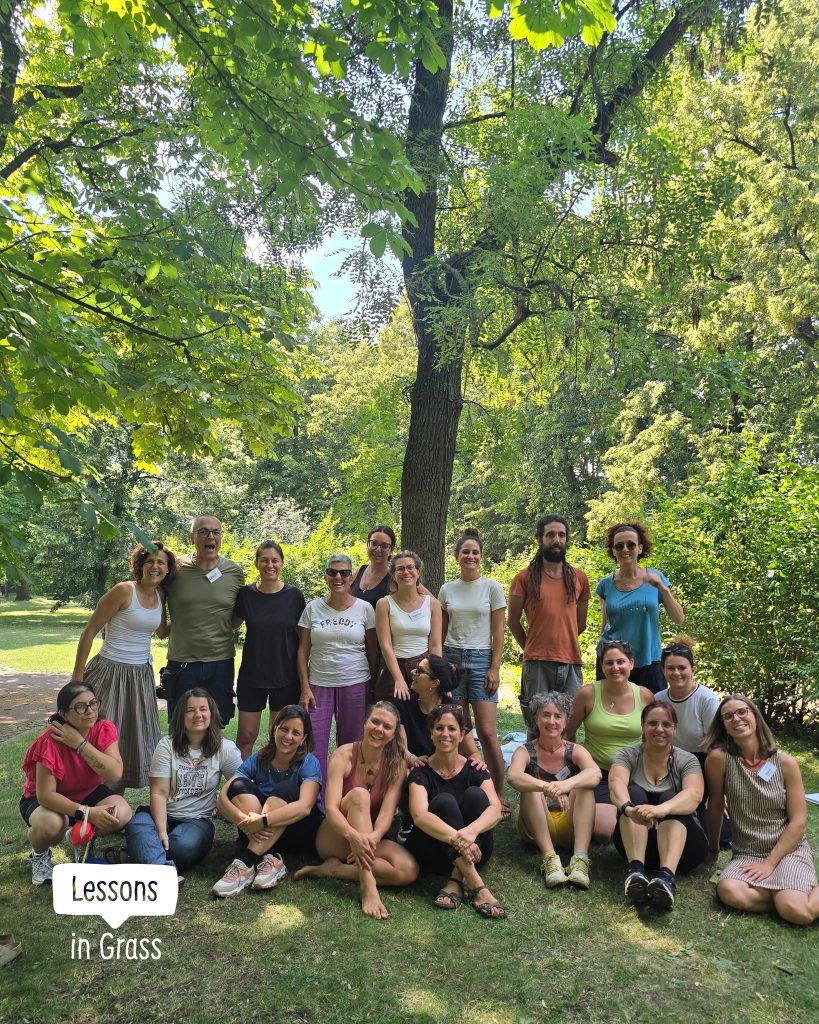
ANNA FISCHEROVÁ
Anna is not only a key person in the Czech Outdoor Learning Program Učíme se venku, but she also leads the English version of the project, Lessons in Grass (www.lessonsingrass.com), which supports enthusiasts from around the world on their journey outdoors.
She studied Environmental Science and English, taught children from preschool to university, and has been involved in environmental and global development education in various organizations. Anna is also an English language instructor who likes travelling, networking and promoting outdoor learning initiatives globally. She has trained teachers Nepal, India, Morocco and Slovenia. She loves to enjoy the outdoors with her three kids.
JUSTINA DANIŠOVÁ
Originally a geology and biology teacher, she now focuses more on creating teaching guides, and leading workshops for parents, educators, and child mentors. She develops activities for the websites ucimesevenku.cz, badatele.cz, and jdeteven.cz. She has been working at the TEREZA Educational Center since 2003, gradually shifting from educating children in the field to training teachers, instructors, and child guides.
Together with her family, she runs the website svobodnahra.cz, which aims to show the fundamental importance of what seems like simple child’s play. In 2020, she and her husband Petr published the book Free Play – How to Raise Joyful, Resilient, and Independent Children. She loves watching children play, explore, and learn through the lens of her camera.