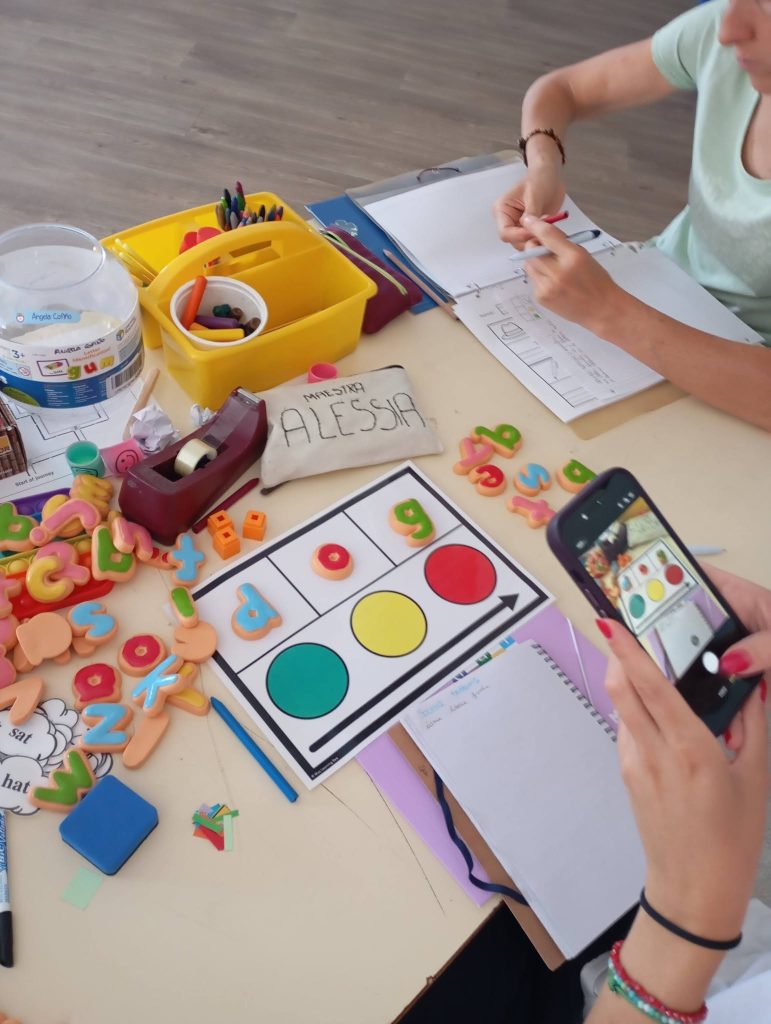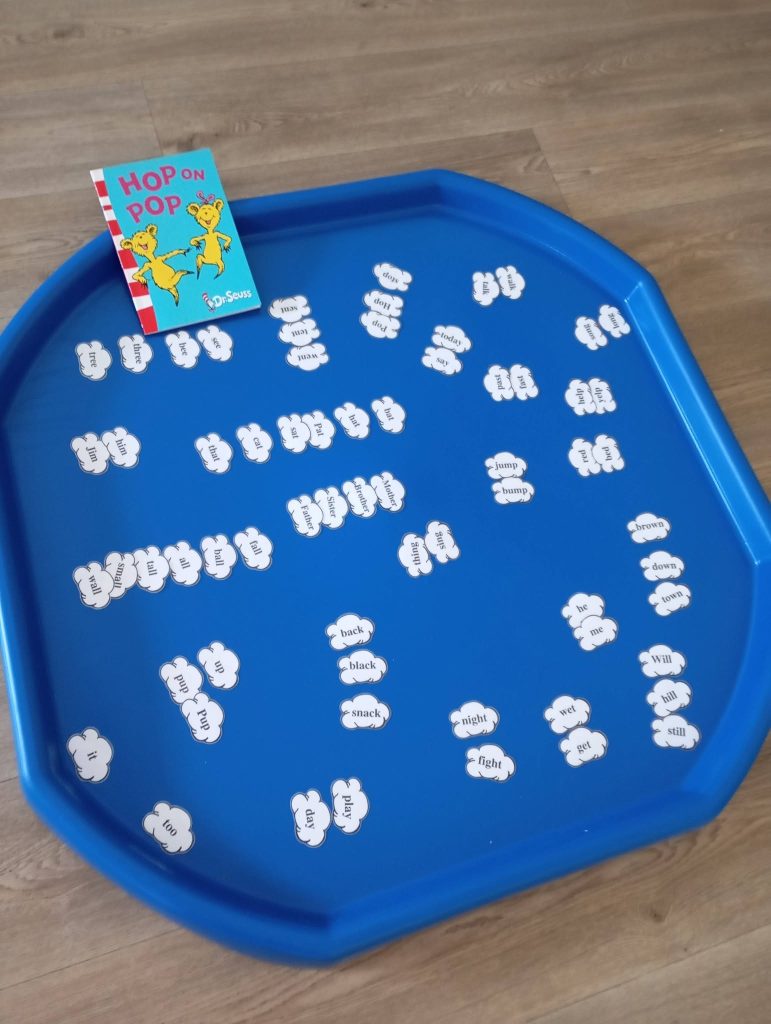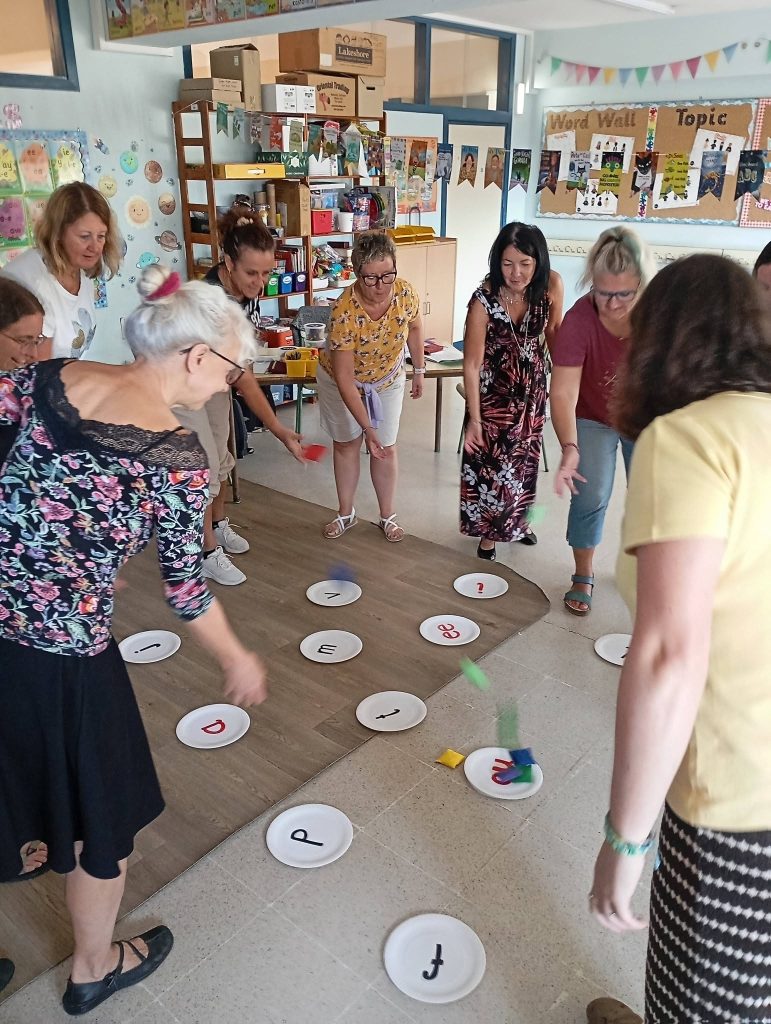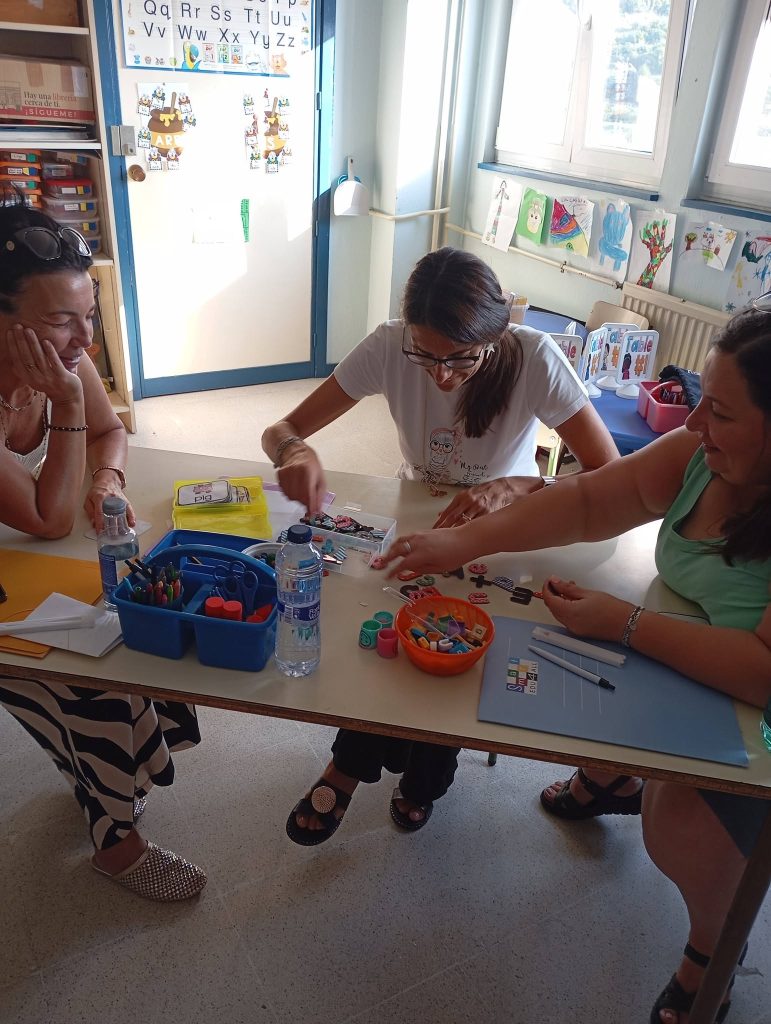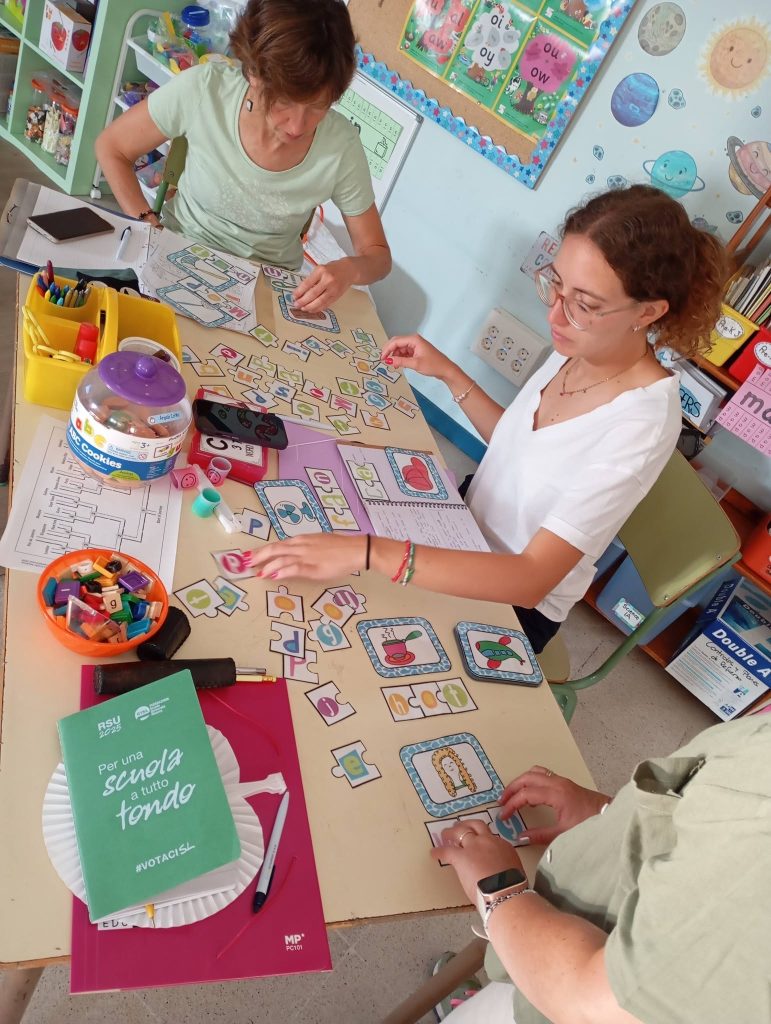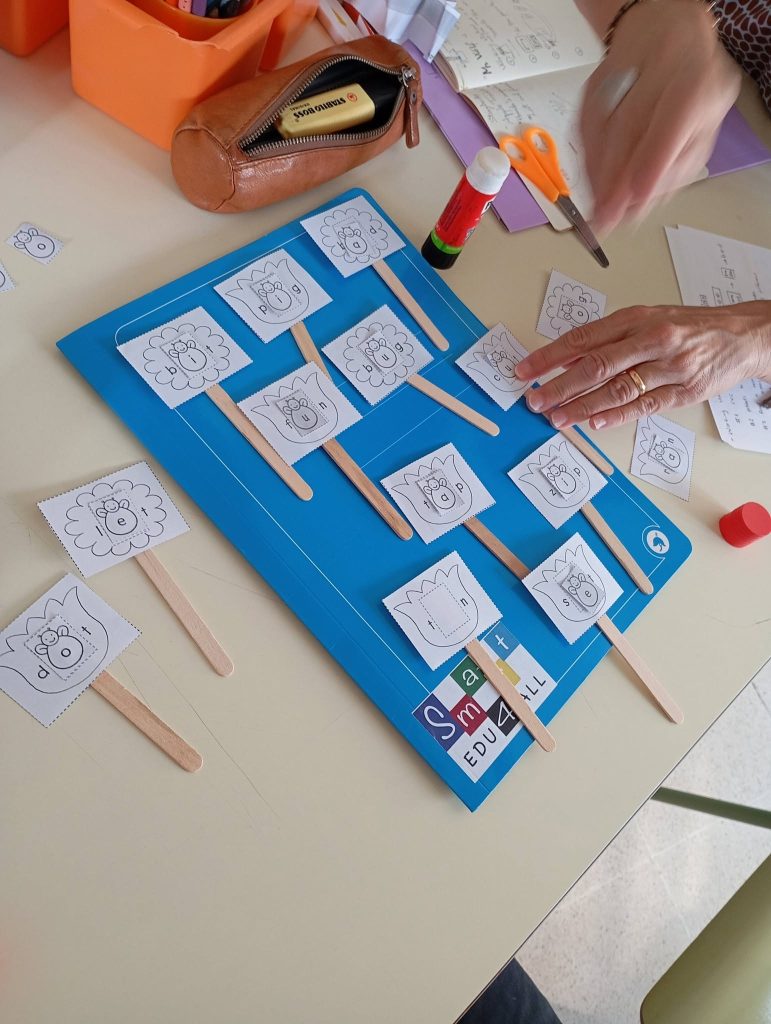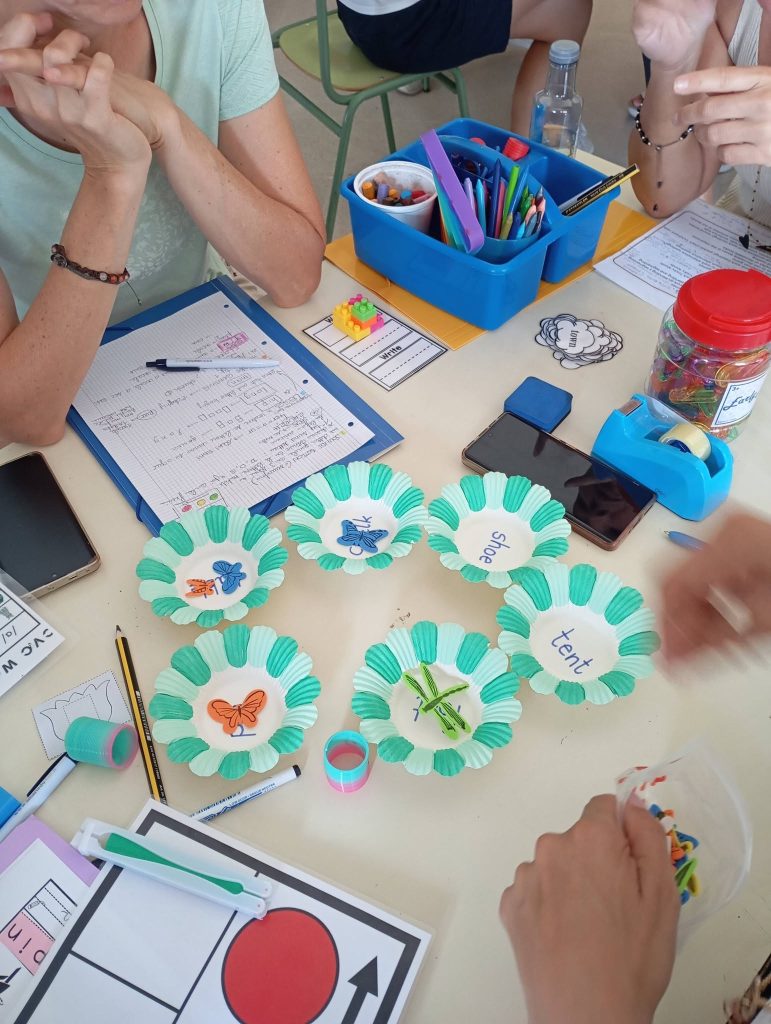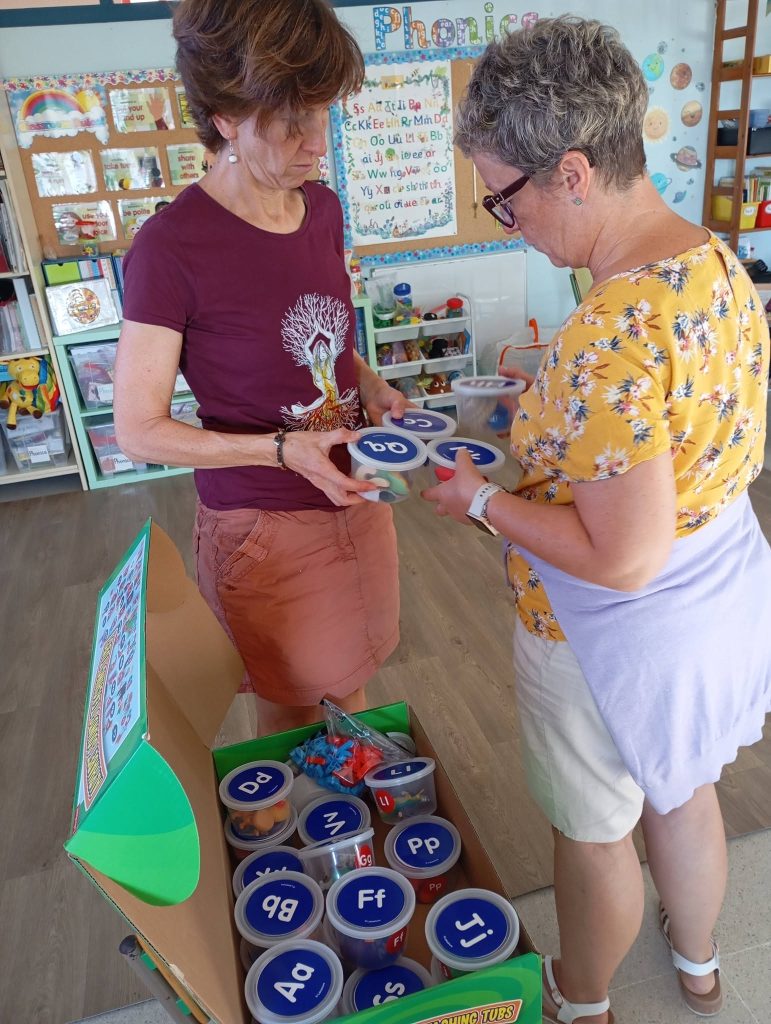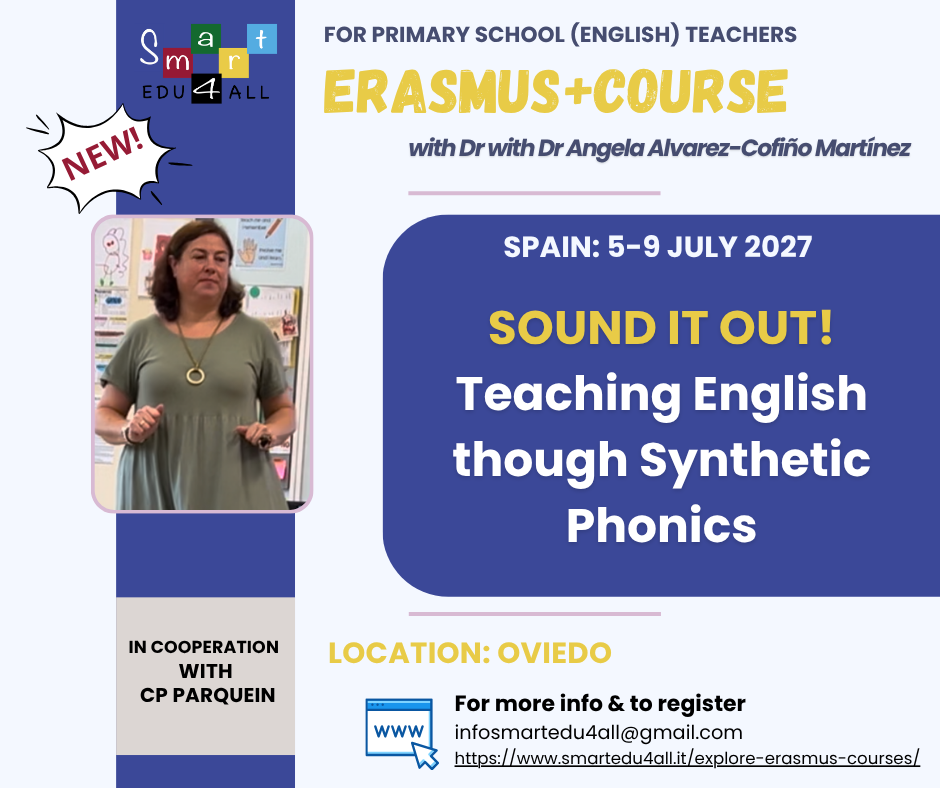
English language: this is a practical course on synthetic phonic addressed to English teachers or staff at pre-school and primary level where teachers will learn how to help children improve their linguistic skills from very early ages. The role of phonics in learning to read is one of the most researched aspects of education, in terms of both the volume of research over the past few decades and the consistency of the evidence. Numerous reviews of scientific studies of reading have recommended that early reading instruction should have a well-developed systematic and explicit phonics component. When taught correctly, phonics is one of the most effective ways of teaching children to learn to read. Sounds are taught from easiest to hardest: single letter sounds first then moving on to two letters making a sound and so on. When children are familiar with the sounds that the letters make, they are able to use them when reading, to segment and blend words together. The course will allow participants to get through a wide variety of educational resources to teach phonics as well as to refresh their speaking and reading skills.
Target audience
Teachers of English – staff at pre-school and primary level ( 3-10 years old)
Tuition
22 hours – Friday course finishes at 13:00 so to allow people to return or cuktural visit
Objectives
The main objectives of this program are to:
- reflect on the difficulties of the English alphabetic code.
- know the theoretical basis and implications of synthetic phonics.
- know the most popular synthetic phonics programs.
- work on practical activities and games to introduce and consolidate phonics.
- see the progression from sound-letter identification to reading and writing.
Methodology
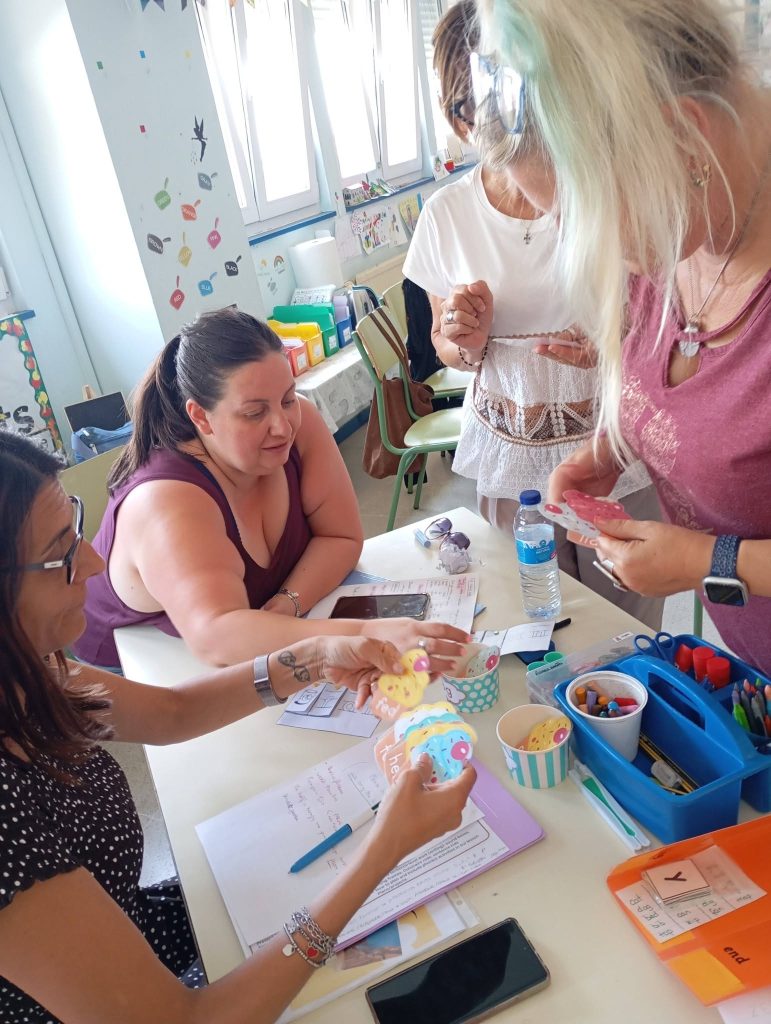
The program of the course is designed interactively, along with discussions and cooperative work. Some theoretical sessions on the principles and basis synthetic phonics will be followed by practical workshops aimed to create resources to teach phonics.
Content
SESSION 1
- Reflection on English sounds (vowels): small group game
- Synthetic vs analytic phonics
- Introduction to synthetic phonics
- Practical activities and games
Session 2
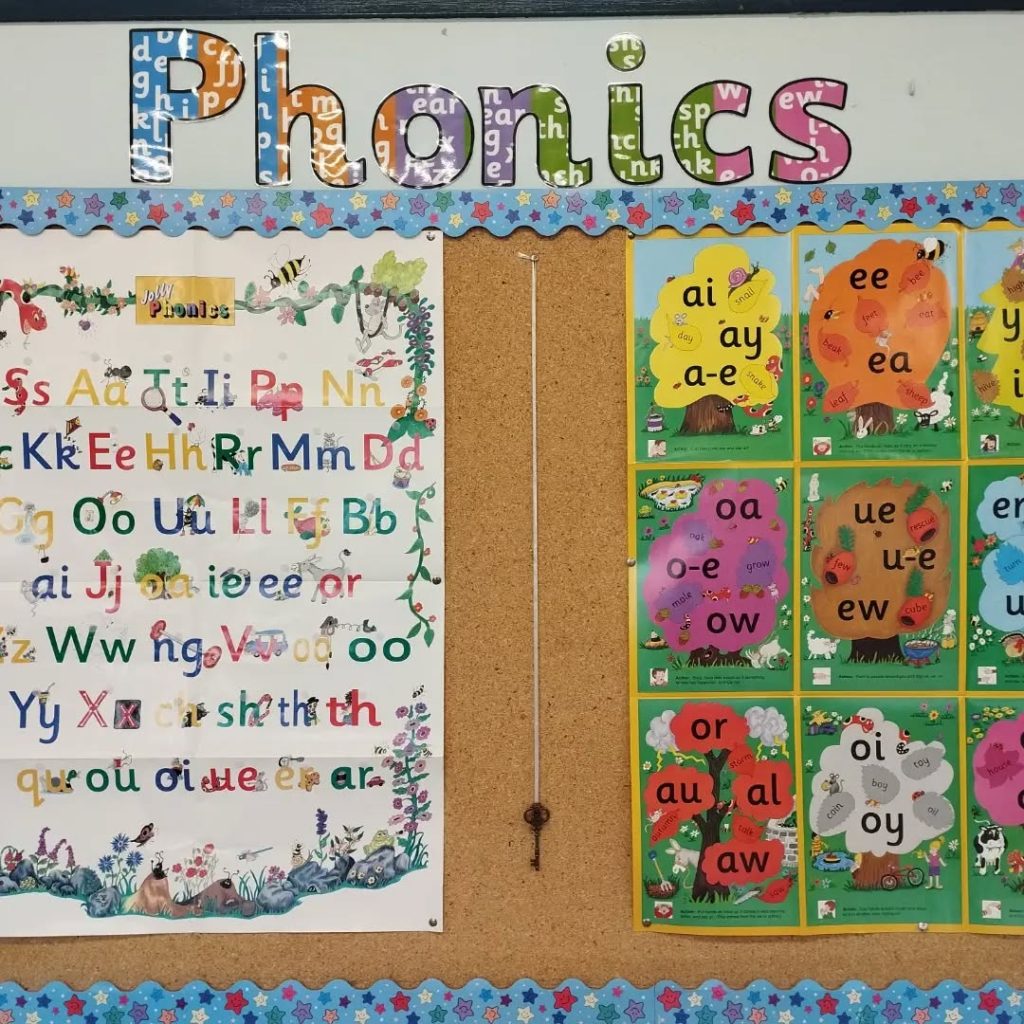
- Present the 44 sounds of the English system
- Songs and gestures associated to every letter-sound
- Sound-letter identification
- Teaching routine
- Practical activities and games
Session 3
- Blending and segmenting
- Practical activities and games
- Resources and games to work on blending y segmenting
- Create resources to teach blending and segmenting
- Tricky Words
- Practical activities and games
- Resources and games to work Tricky Words
- Create resources to teach Tricky Words
Session 4
- Alternative spellings
- Practical activities and games
- Resources and games to work alternative spellings
- Create resources to teach alternative spellings
Session 5
- Sentence level work (reading): pocket chart, Cuisinaire rods
- Silly sentences game
- How to use decodable books in the classroom
- Examples of decodable books
- Guided reading
- Word and sentence level work (writing): sound boxes, writing frames, Cuisinaire rods, sentence kids
- How to plan and include phonics activities in our lesson Plans/projects.
Participants
Minimum number: 8 – Max number: 20
Language
English
Dates
5-9 July 2027 in OVIEDO – SPAIN
COURSE VENUE: CP PARQUE INFANTIL – C.PEDRO CARAVIA, 7- 33012 OVIEDO – SPAIN
COURSE PROVIDER OID E10387790 “PARQUEIN”
Cost
450€
including: tuition fee, cultural visit, learning materials, organizational costs
Info and registration
Write to nfosmartedu4all@gmail.com for more info.
Link to application form: https://forms.gle/tYA9RaCBqrhqf3x66
TRAINER. Angela Alvarez-Cofiño Martínez
– Diploma with Honours, Teaching Training in English at the Teaching Training School of the University of Oviedo. – PhD, English Studies and Doctoral Courses at the English Philology Faculty of the University of Oviedo. Dissertation: CLIL (Content and Language Integrated Learning) for the teaching of English as a Second Language. – PhD in English Studies (University of Oviedo) with a doctoral thesis on the implementation of CLIL (Content and Language Integrated Learning) for the teaching of English as a Second Language. Grade: Honours Cum Laude – National Award to Educative Innovation 2003, Ministry of Education, for the project “Teaching of English at very early ages at Infant Stage in rural schools”. – European Label Award to Innovation in the Teaching of Languages 2004, for the project “Teaching of English at very early ages at Infant Stage in rural schools”. – European Label Award to Innovation in the Teaching of Languages 2005, for the project “Content Learning Through Projects”. – Regional Award “Accion Magistral 2006”, for the project “Content and Language Integrated Learning through collaborative projects”. – My work was mentioned as an example of Good Practice in Educative Quality and Consistency criteria in the European Commission working paper European Strategic Framework for Education and Training (ET 2020) LANGUAGE LEARNING AT PRE-PRIMARY SCHOOL LEVEL: MAKING IT EFFICIENT AND SUSTAINABLE. A POLICY HANDBOOK, SEC (2011) 928,
(p. 11, link http://ec.europa.eu/languages/policy/language-policy/documents/ellp-handbook_en.pdf#Equity_Spain). Brussels, 7 July 2011).
– From 2003 to 2022, she has been working as a Literacy and Arts teacher at Ventanielles Bilingual State School (Oviedo, Asturias, Spain) in the integrated curriculum project (agreement Spanish Ministry of Education- British Council). – Since 2017, professor at the Faculty of Languages and Education of the University Nebrija (Madrid, Spain). Currently, member of the research group of the University Nebrija on Synthetic Phonics at Early Childhood Education in non-native contexts. – Member of the International Experts Panel on Synthetic Phonics, being the one an only Spanish member in it, together with professors with the Universities of Ealing and Oxford (2017/2018). -Member of the Executive Panel of the international ELLMEnet for the teaching of languages at Early Years, since 2022, etc.
Her article about phonics published on LCE https://lce.disigma.gr/index.php/lce/article/view/22/21